
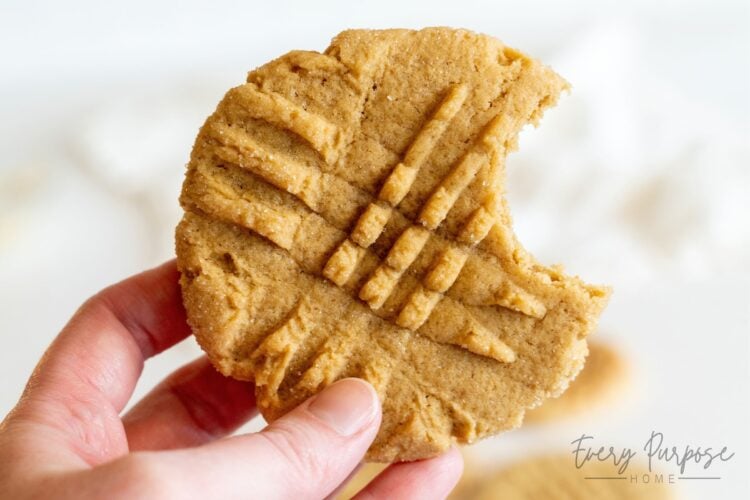
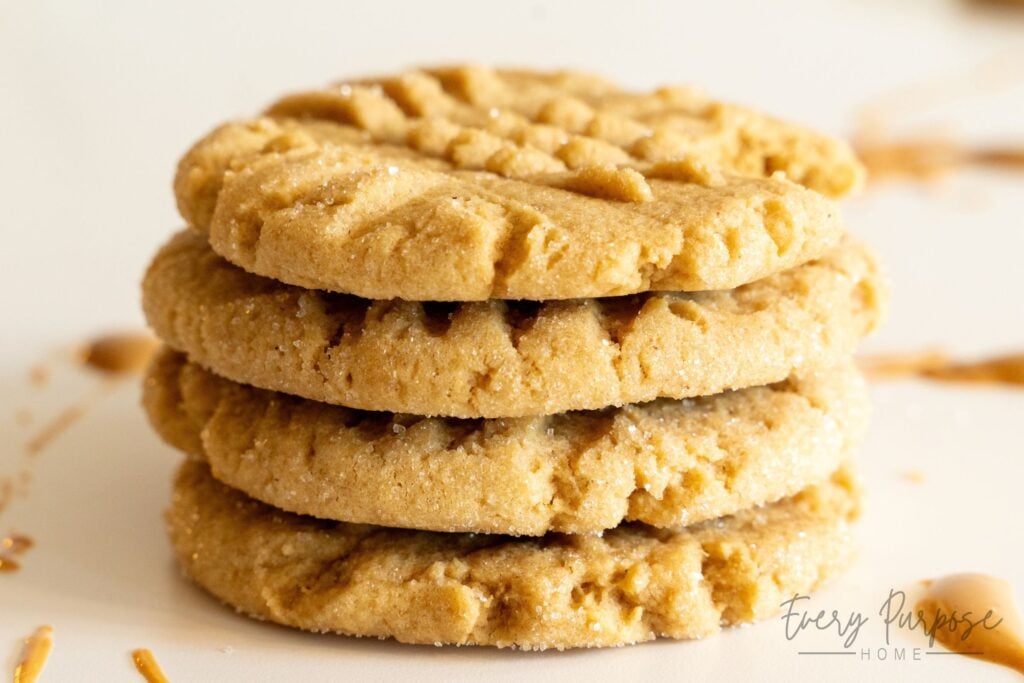
These soft, never dry Sourdough Peanut Butter Cookies are full of rich, peanutty flavor and formulated specifically for natural peanut butter! These large cookies combine soft and chewy centers, sparkling sugar, and that familiar crisscross pattern for all the cozy, nostalgic goodness of the classic. Best of all, this quick, no-chill recipe means you can bake them without the wait! If you’re the kind of person who eats peanut butter straight from the jar, these cookies have your name written all over them!
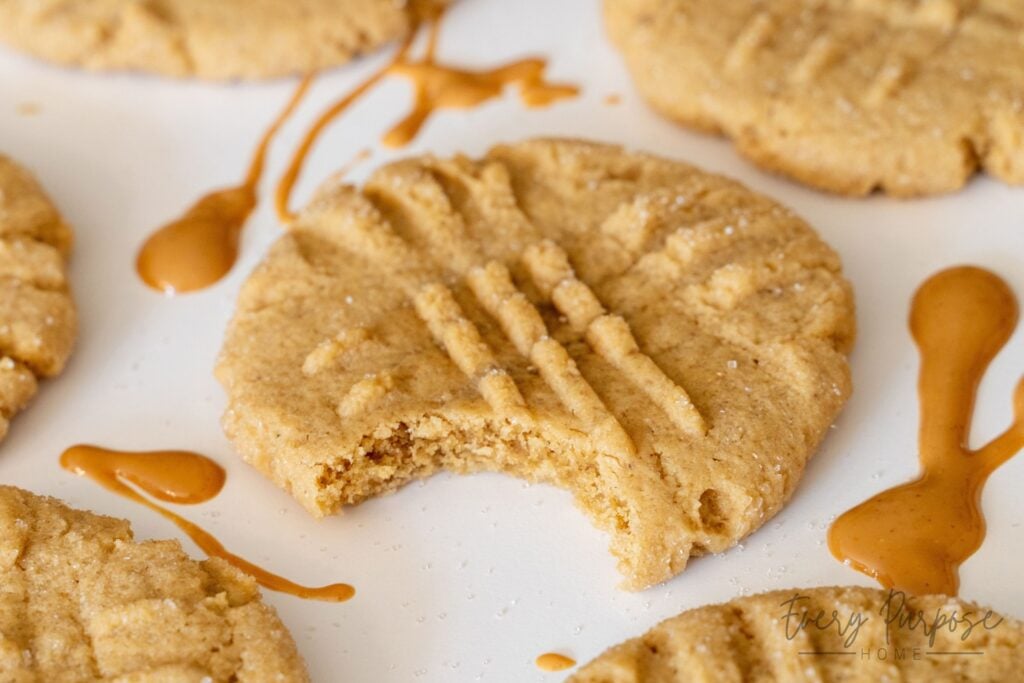
Why I Created These Sourdough Peanut Butter Cookies
As a general rule, I try hard to use all-natural ingredients in my kitchen! I prefer to use them in my sourdough cookie recipes whenever possible. When I first started baking peanut butter cookies, I struggled to find recipes developed specifically for the all-natural peanut butter I keep in my kitchen! I wanted a version I could make with ingredients I already used and trusted, so I developed this recipe just for that.
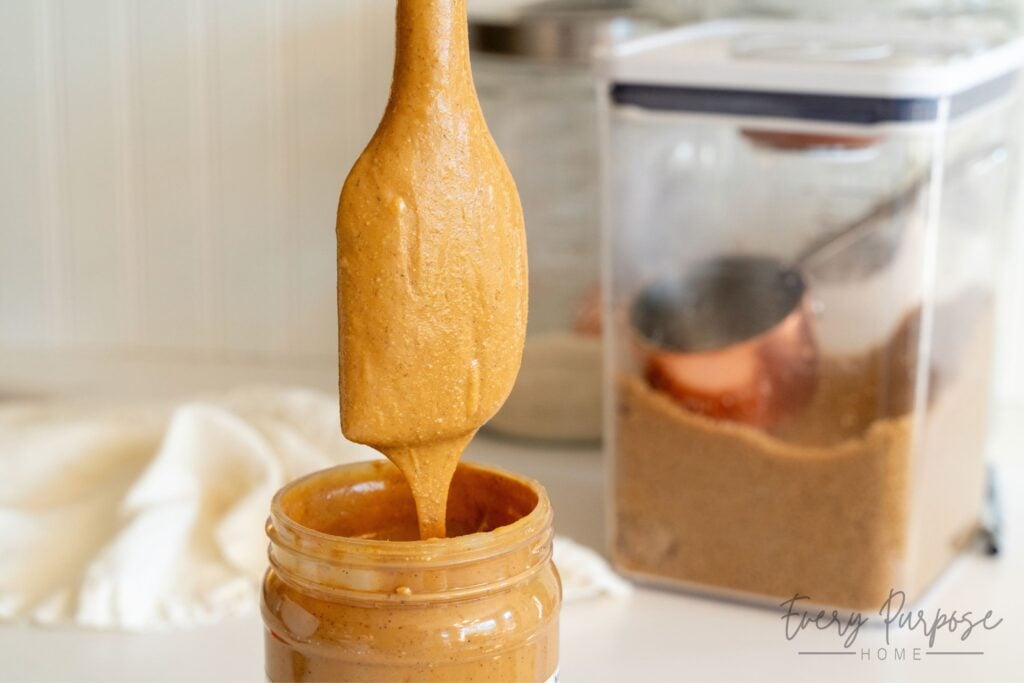
My current favorite peanut butter is the Kirkland Signature brand from Costco because it is made with dry-roasted peanuts, which really amps up the peanut butter flavor! And thanks to this sourdough peanut butter cookies recipe, you can use natural peanut butter made with just peanuts (or peanuts and salt) to bake these delicious sourdough cookies!
Essentials for the Perfect Sourdough Peanut Butter Cookie
- Digital Kitchen Scale: A never-dry peanut butter cookie starts with the right balance of natural peanut butter, flour, and sourdough starter! A digital kitchen scale removes the guesswork, helping you avoid adding too much flour which could cause you to lose that wonderfully soft texture. I have used this exact scale in my kitchen for years, and it has never failed me!
- Stand Mixer: Thoroughly mixing the peanut butter, butter, and sugars gives these cookies a smooth, evenly mixed foundation. A quality stand mixer fitted with the paddle attachment makes quick work of this thick peanut butter dough, but a handheld electric mixer works too. Just be careful not to overmix once the flour is added!
- Large Cookie Scoop: These sourdough peanut butter cookies bring that classic flavor you love in a larger-than-average cookie! A large cookie scoop portions the dough evenly for a consistent, generous size. Uniform portions also help the cookies bake evenly, making it easier to get set edges while keeping the centers soft.
Ingredients
- ⅔ cup natural peanut butter (175g): This recipe is formulated specifically for natural peanut butter! I use a natural salted, unsweetened, dry-roasted peanut butter for a deep peanut flavor. Stir extremely well before measuring! I have not tested this with mainstream peanut butters such as Jif or Skippy. If using unsalted, add another ⅛ tsp salt.
- 1 cup light brown sugar, packed (220g): Helps create that soft, never-dry texture while balancing the unsweetened peanut butter.
- 2 tbsp granulated sugar (25g): Adds sweetness and helps create softly crackled edges.
- ½ cup salted butter, softened (113g): Use “dent soft” butter, meaning it should indent with resistance when pressed, remaining cool to the touch and not shiny or oily. This usually takes 30–60 minutes at room temperature. To use unsalted butter, add ¼ tsp additional salt.
- ½ cup sourdough starter, active or discard, stirred down (150g): Either works! Cold starter helps keep this no-chill dough cool.
- 2 large egg yolks (40g): Skipping the egg whites helps to create a dense, completely soft center that is never cakey.
- 2 tsp vanilla extract (10g): Rounds out the rich, roasted peanut butter flavor for that classic peanut butter cookie taste.
- 1 tsp salt (6g): Balances the sweetness and enhances the peanut butter flavor.
- 1⅔ cups all-purpose flour, scooped directly from the bag and leveled (not spooned or sifted) (263g): This amount balances the fluid natural peanut butter while keeping the cookies soft. For best accuracy, weigh it.
- 1 tsp baking soda (6g): Provides lift, spread, and crackled tops. Use baking soda, not baking powder.
- ⅓ cup granulated sugar, for rolling (66g): Creates the sparkling, lightly crackled exterior.
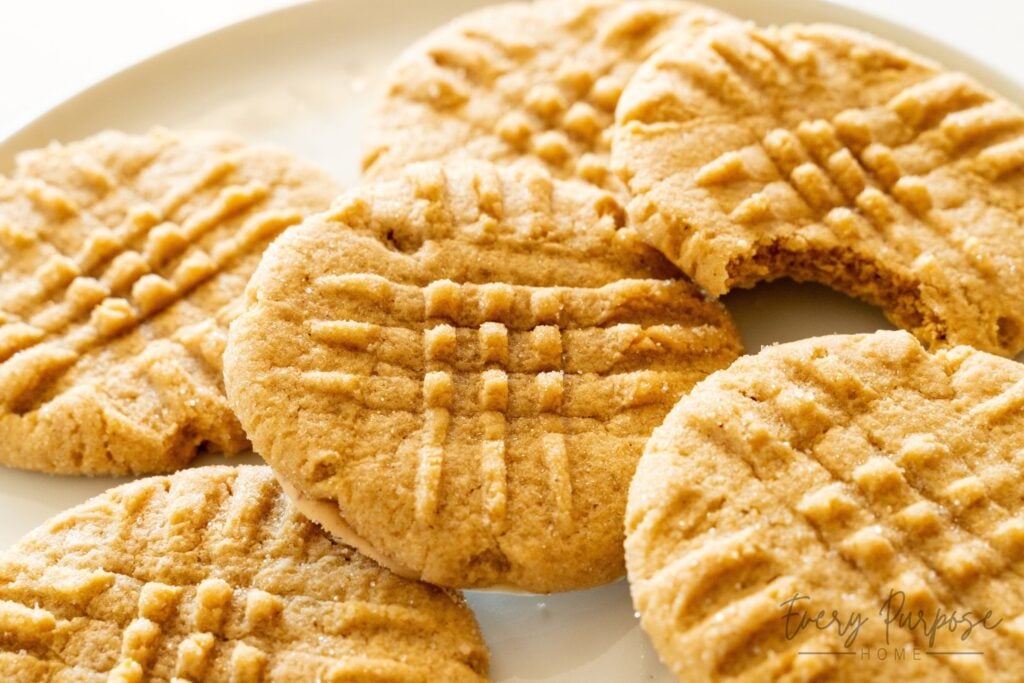
How to Make Sourdough Peanut Butter Cookies (With Natural Peanut Butter)
Step 1: Preheat Oven & Prep
Preheat oven to 350°F (175°C). Line two baking sheets with parchment paper.
Step 2: Cream the Peanut Butter, Sugars & Butter
Beat the peanut butter, brown sugar, granulated sugar, and softened butter until creamy, uniform, and slightly aerated, about 2 minutes. If you see chunks of butter or peanut butter, keep mixing! This works best with a stand mixer (paddle attachment) or handheld electric mixer.
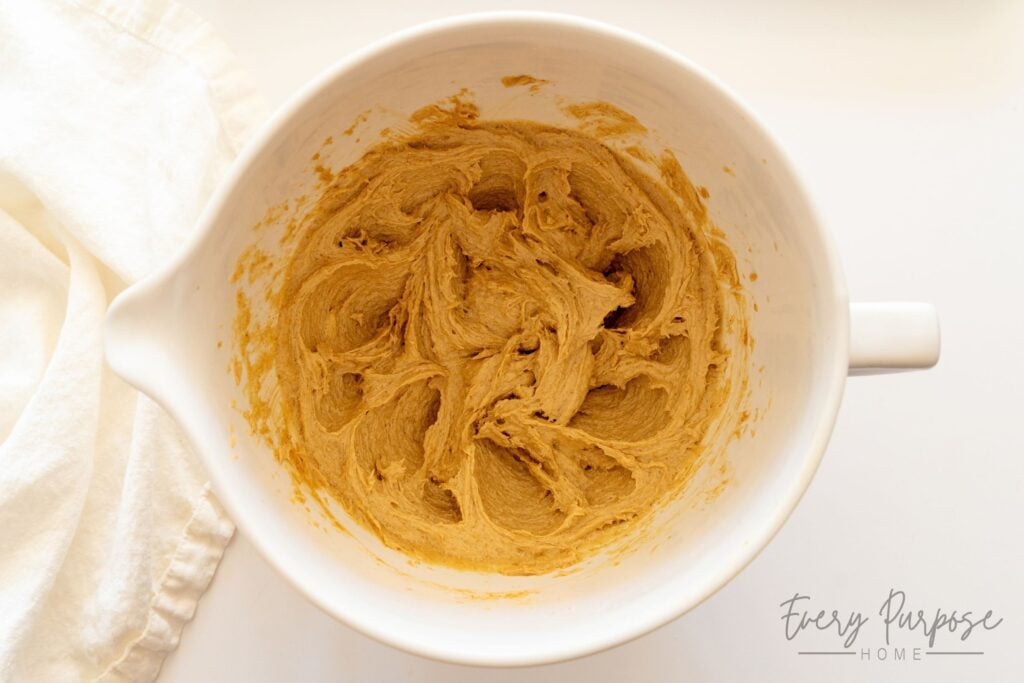
Step 3: Add the Wet Ingredients
Add the sourdough starter, egg yolks, vanilla extract, and salt. Beat until smooth and frothy. Pro Tip: Scrape down the sides of the bowl to ensure the ingredients are fully incorporated with no streaks remaining.
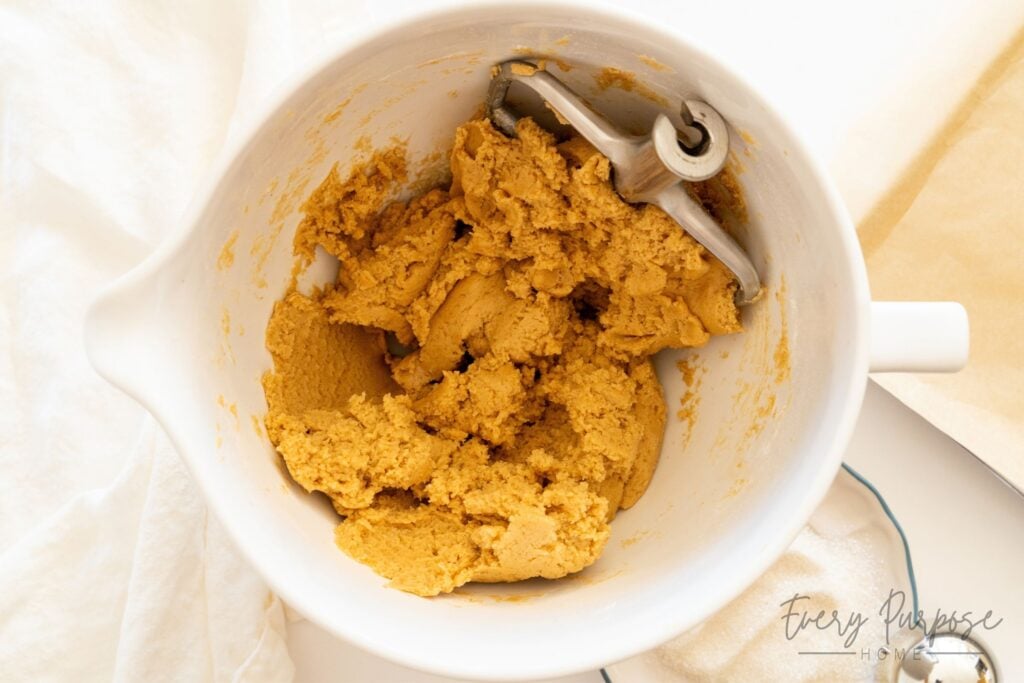
Step 4: Incorporate the Dry Ingredients
Add the flour and sprinkle the baking soda evenly over the top. Turn the mixer to low speed and stir just until the flour disappears. The dough will be thick. Critical Step: Do not overmix. Overmixing develops too much gluten and can make the cookies tough rather than soft.
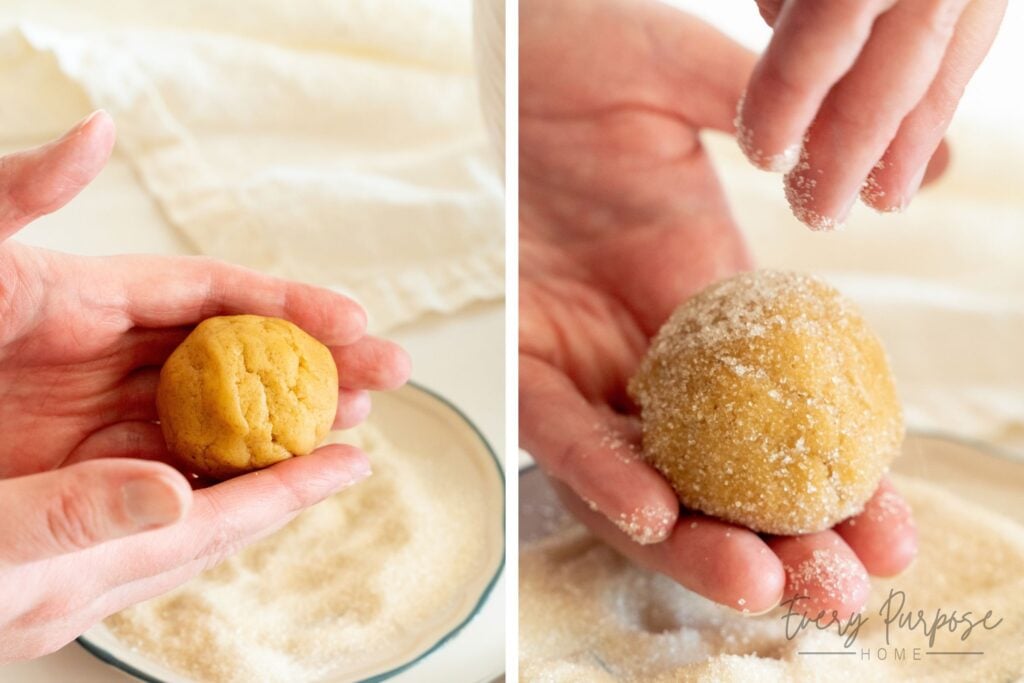
Step 5: Scoop, Roll & Press
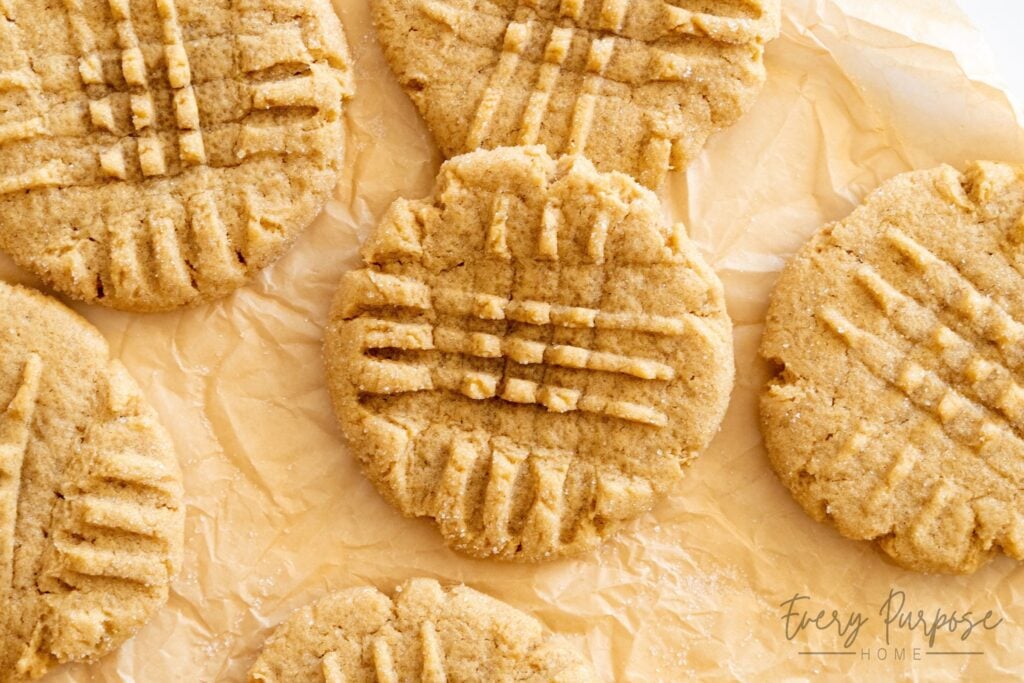
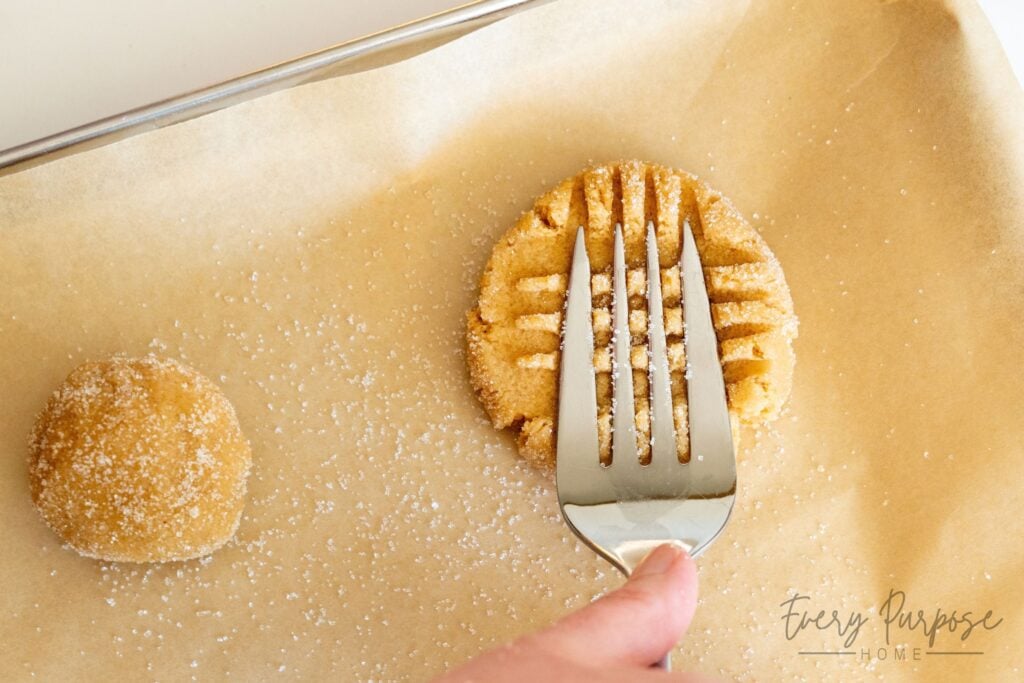
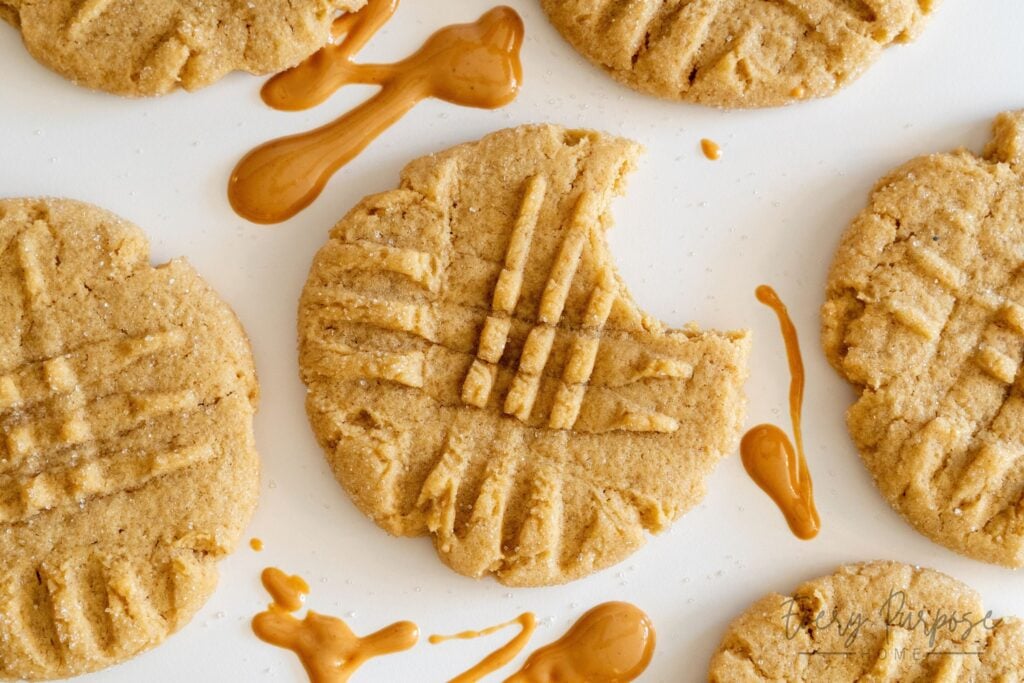
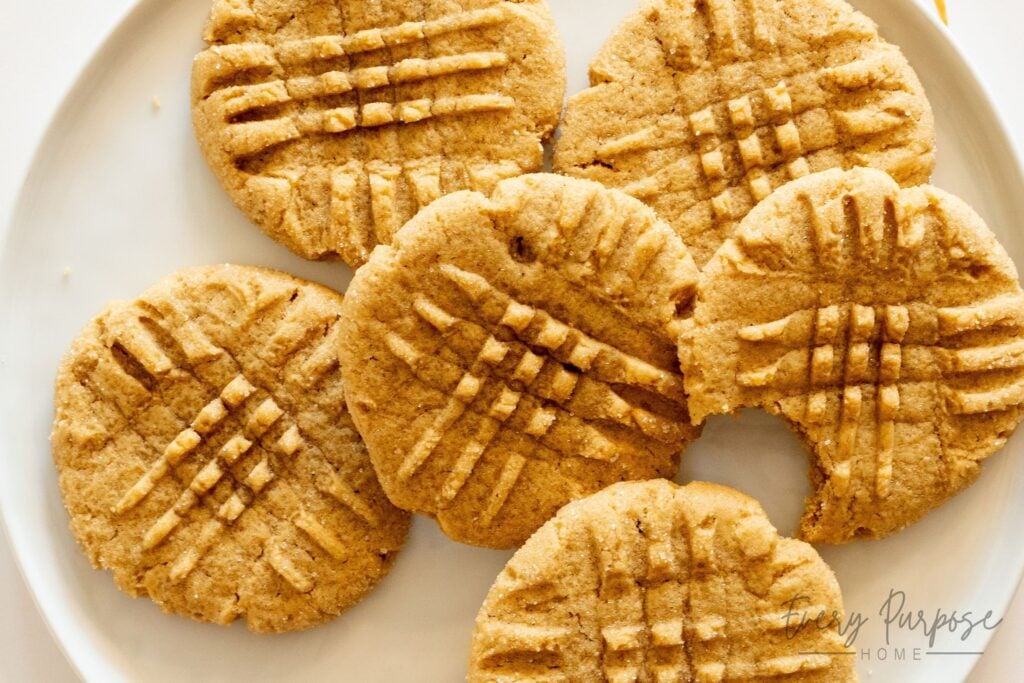
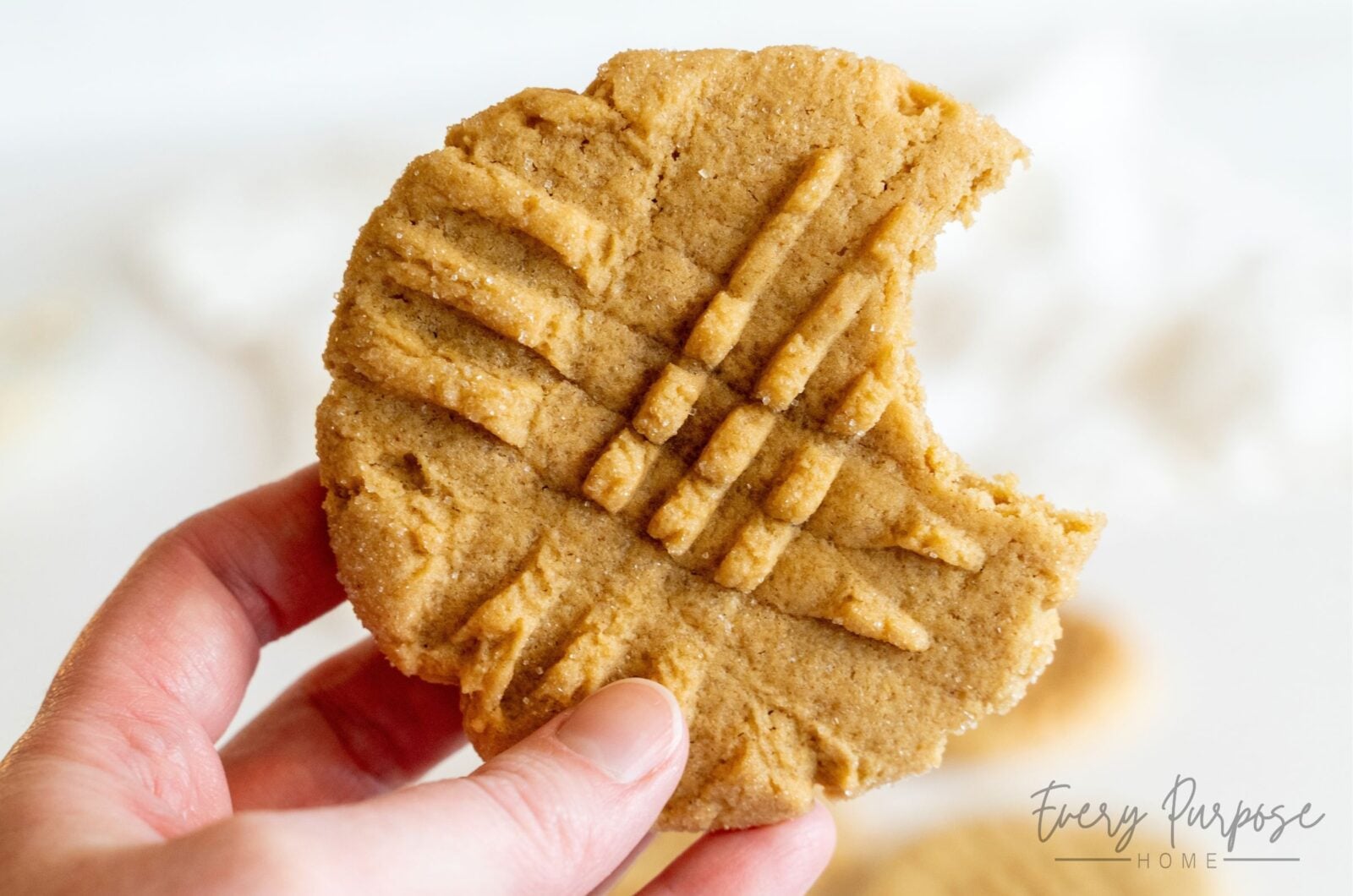
Portion the dough into large scoops using a cookie scoop or spoon (3 tbsp / 63g each). Roll each scoop between your hands to form a ball, then roll thoroughly in granulated sugar. Place 8 dough balls per baking sheet in a 3-2-3 pattern, leaving space between them for spreading. Use a fork to press the top of each ball, then turn the fork 90 degrees and press again to create that classic crisscross pattern. Pro Tip: I use a large serving fork to make the marks because these cookies are larger than average! You can use a regular fork if you prefer, but you may need to do two presses wide in each direction.
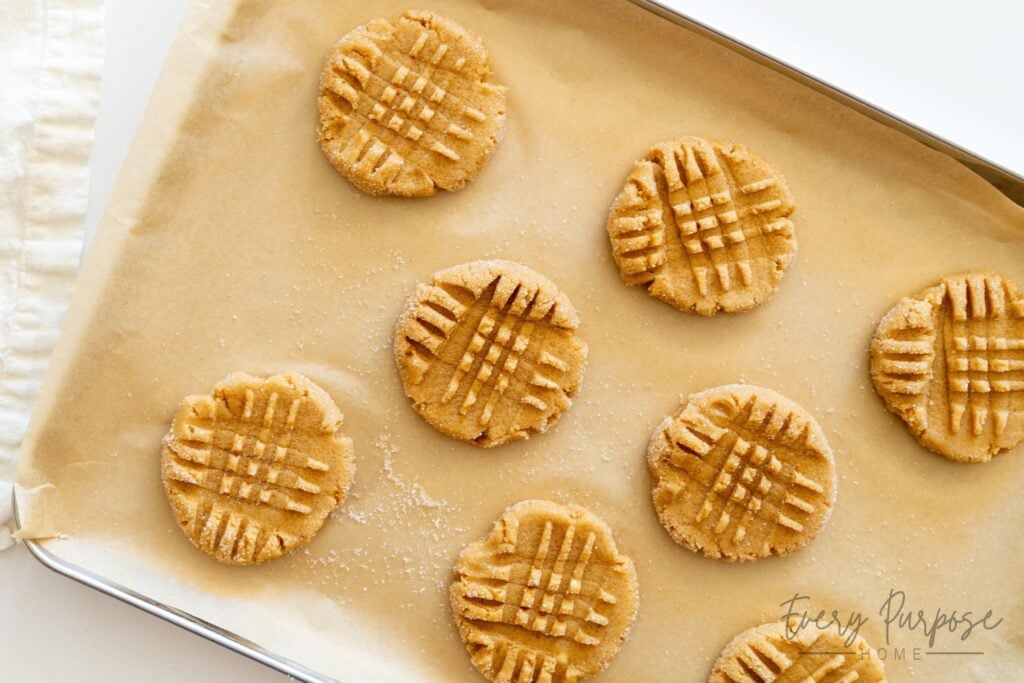
Step 6: Bake
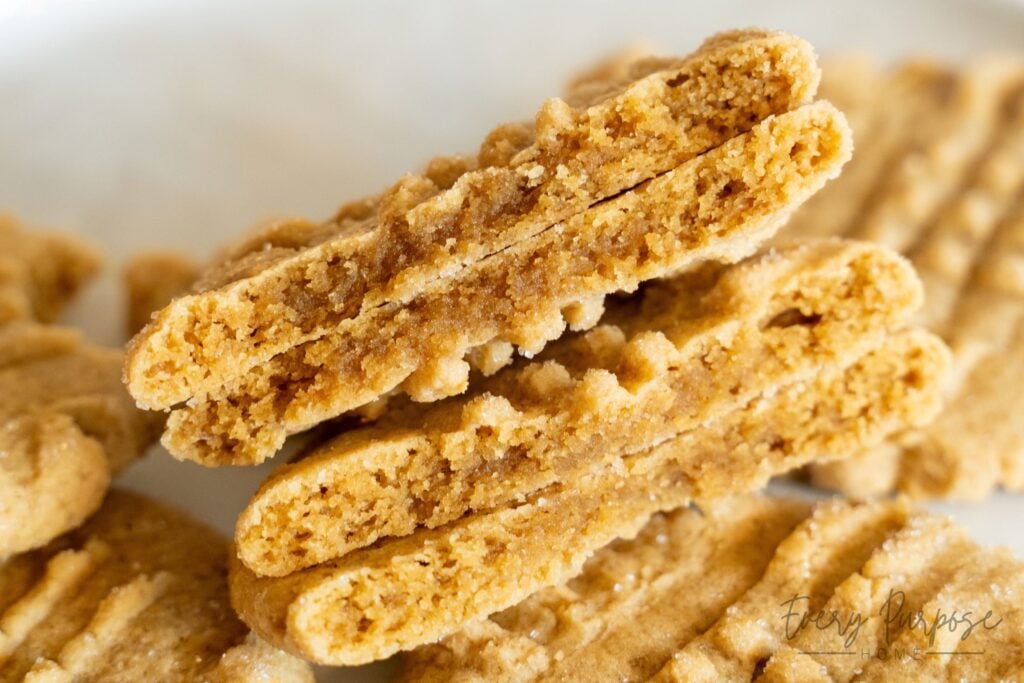
Bake one sheet at a time for 12–14 minutes, rotating the pan halfway through. Remove when the edges are set but the centers still look soft and slightly underbaked. Do not overbake! This is key to keeping that soft, never-dry texture. Recipe makes 16 cookies.
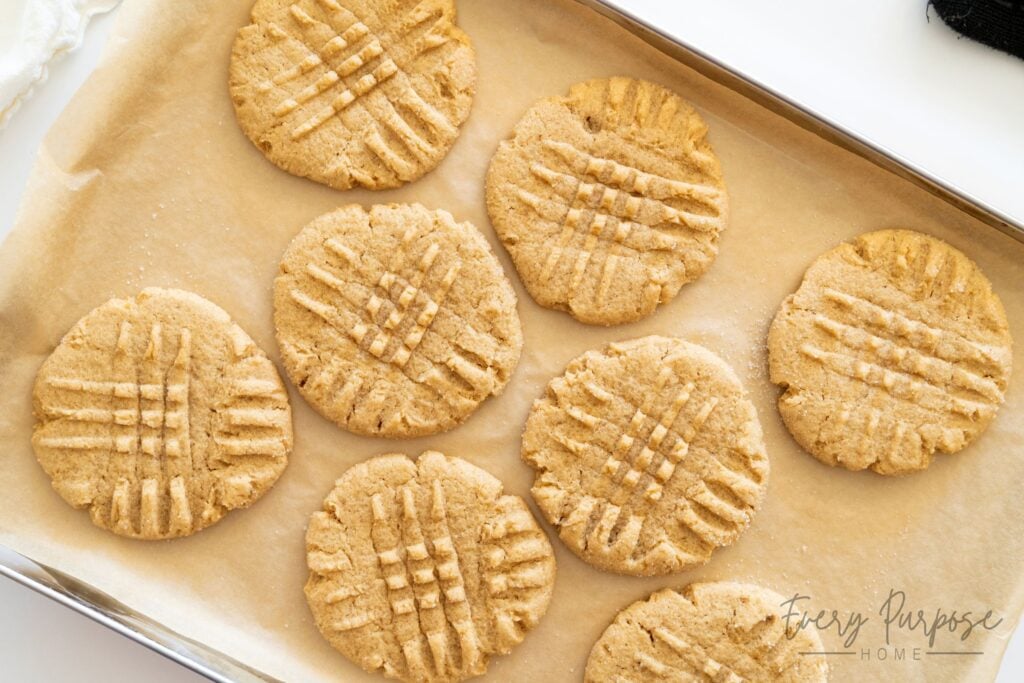
Step 7: Cool on Baking Sheet
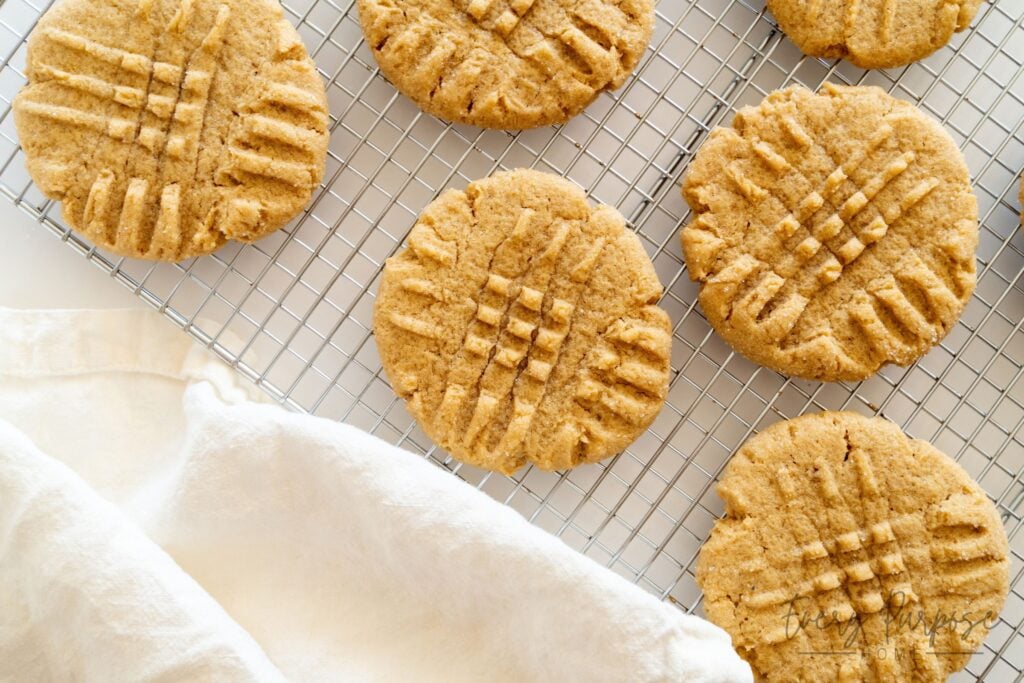
Allow each batch to set on the hot baking sheet for 7 minutes before transferring to a wire rack. Moving the cookies too early may cause them to fall apart. While the first batch cools, bake the second sheet following the same directions.
Storage Tips
Store completely cooled sourdough peanut butter cookies in an airtight container at room temperature for up to 5 days. Keep the container tightly sealed between servings to help preserve their soft texture. Pro Tip: Let the cookies cool fully before sealing so trapped warmth doesn’t create condensation and make the sugar coating sticky!
Why This Recipe Works
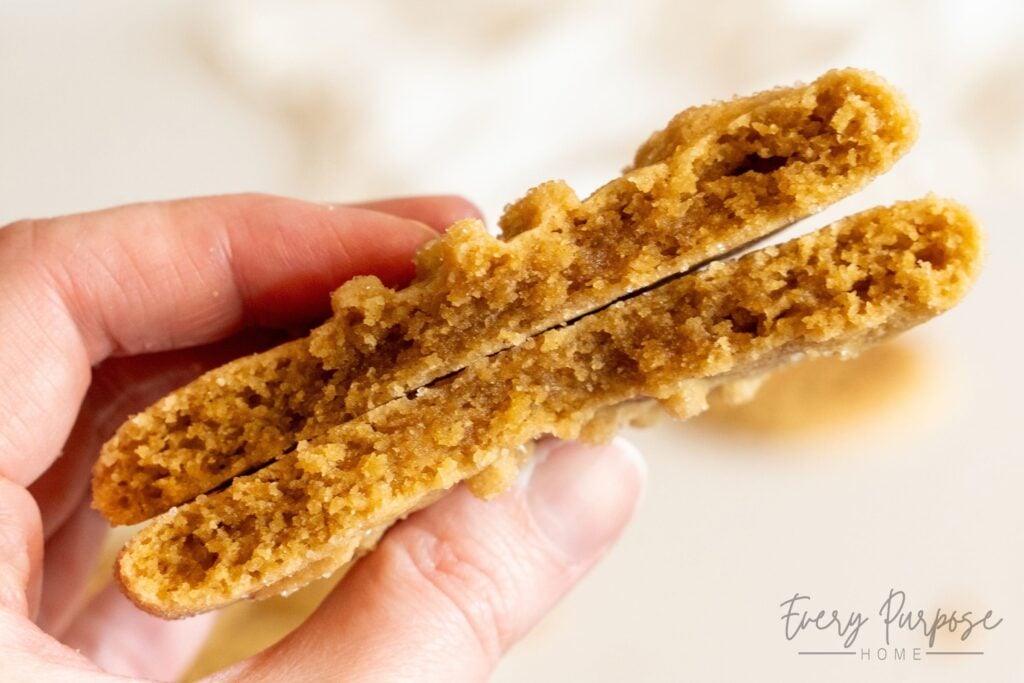
This recipe is formulated specifically for natural peanut butter, with carefully balanced flour to give the dough structure while keeping the cookies rich, soft, and never dry! Brown sugar and egg yolks help create dense, tender centers, while sourdough starter adds moisture and depth to that classic peanut butter flavor. Cool, “dent soft” butter and cold starter keep the dough from becoming too warm, making this a no-chill recipe. Large scoops, a sparkling sugar coating, and fork-pressed crisscross tops give you all the nostalgic appeal of a classic peanut butter cookie in a larger-than-average size!
The Sourdough Cookie Lady Tips
- Stir the natural peanut butter extremely well. Completely incorporate the separated oil into the peanut solids before measuring. Unevenly mixed peanut butter can change the consistency of the dough and how the cookies spread. This recipe was developed specifically for natural peanut butter, so use it for the intended results! I have not tested it with any other type of peanut butter.
- Roll into balls before coating in sugar. Shape each scoop between your hands first, then roll thoroughly in granulated sugar. This gives you evenly shaped cookies with that sparkling sugar coating all around.
- Use a large fork for the crisscross marks. I use a serving fork because these cookies are larger than average! Press the top of each dough ball, then turn the fork 90 degrees and press again for that nostalgic crisscross pattern. Make the marks before baking.
- Let the butter become “dent soft.” To keep this a no-chill recipe, the butter should indent easily when pressed but still feel cool and offer some resistance. It should not look melted, shiny, or oily. If you forgot to soften your butter, you can heat it in the microwave at 50% power for 5-7 seconds on each side (two sides total), then check for that ‘dent soft’ consistency!
- Do not overbake the cookies. Remove them when the edges are set but the centers still look soft and slightly underbaked. I bake mine for 13 minutes! They will continue to firm up on the hot baking sheet, giving you a dense, soft center instead of a dry or cakey texture.
- Measure the peanut butter, sourdough starter, and flour by weight if possible. The balance between natural peanut butter, starter moisture, and flour makes a big difference in the final texture. Weighing these ingredients helps prevent cookies that spread too much or turn out overly thick and dry.
Frequently Asked Questions
Can I use regular peanut butter instead of natural peanut butter?
This recipe was formulated specifically for unsweetened, natural peanut butter made with just peanuts or peanuts and salt. I tested it with Kirkland Signature natural creamy peanut butter and have not tested it with mainstream peanut butters such as Jif or Skippy. For the intended texture, use natural peanut butter and stir it extremely well before measuring so the oil and peanut solids are fully combined.
Why did my peanut butter cookies turn out dry?
These cookies were developed to be rich, soft, and never dry, so accurate flour measurement and baking time are especially important! Too much flour or overbaking can dry them out. Weigh the flour if possible, and remove the cookies when the edges are set but the centers still look soft and slightly underbaked. I bake mine for 13 minutes, but use the visual cues to account for differences between ovens. They will continue to firm up on the hot baking sheet!
Why do I need to press the dough with a fork?
Pressing the dough balls with a fork flattens them before baking and creates that classic peanut butter cookie crisscross pattern! This thick dough barely spreads on its own, so unpressed cookies could remain tall and domed and may not bake evenly within the stated baking time.
Roll each scoop into a ball first, coat it in sugar, then press with the fork in two directions. I use a large serving fork because these cookies are larger than average! If you want to avoid the crisscross pattern, you can press each dough ball with a flat-bottomed glass or the palm of your hand before baking.
Will these cookies taste sour?
The sourdough starter adds subtle depth to the rich peanut butter flavor while balancing the sweetness. For a milder flavor, use starter or discard that has been fed within the last two weeks. Older discard and the long-fermented option may create a more noticeable sourdough tang!
Can I use active starter instead of discard?
Absolutely! Both active starter and sourdough discard work well here. Because the dough is mixed and baked immediately, the starter does not need to be active for leavening. Active starter will generally provide a slightly milder flavor. I use cold discard to help keep this no-chill dough cool!
Why did my cookies come out cakey instead of chewy?
Using whole eggs instead of egg yolks can push the texture toward cakey. For those dense, soft centers, use only the yolks and measure the flour accurately. Overmixing after adding the flour can also make the cookies tough rather than tender. Mix on low speed just until the flour disappears, then stop!
Do I have to chill the dough before baking?
No, you don’t! This is a no-chill recipe, so you can bake the cookies immediately for a no-wait sourdough treat. If you prefer a long-fermentation option with more developed sourdough flavor, portion the dough into scoops, cover tightly, and refrigerate for up to 48 hours. Before baking, let the portions soften enough to roll into balls, coat in sugar, and press with a fork.
Can I freeze sourdough peanut butter cookie dough?
Absolutely! For best results, follow this flash-freezing method:
- Scoop & Roll: Portion the dough into large scoops (3 tbsp / 63g each), then roll each scoop into a ball. Place them on a parchment-lined baking sheet. They can be close together, but make sure they are not touching. Do not coat in sugar or press with a fork yet.
- Flash Freeze: Place the sheet in the freezer for about 1 hour, or until the dough balls are firm to the touch.
- Store: Transfer the frozen dough balls into a gallon freezer bag. They can be stored in the freezer for up to 3 months!
Pro Tip: Double the recipe and intentionally freeze an extra batch! This gives you ready-to-bake sourdough peanut butter cookies whenever that sweet tooth hits.
Tips for Baking Frozen Dough
Thaw Partially: Allow frozen dough balls to sit at room temperature for 30–60 minutes, or until soft enough to press with a fork.
Coat & Press: Roll the softened dough balls in granulated sugar, then press each with a fork in two directions to create the crisscross pattern. Continue with the recipe’s baking directions!
Potentially Increase Bake Time: You may need to add 1–2 minutes if the dough is still colder than fresh dough would be. Watch for set edges and soft centers rather than relying only on the timer.
How to Make Long-Fermented Sourdough Peanut Butter Cookies
To long-ferment the dough for deeper flavor and a slower fermentation option that some bakers prefer, follow these simple directions:
- Prepare & Portion: Follow the recipe directions to make the dough, then portion it into large scoops (3 tbsp / 63g each). Do not coat in sugar or press with a fork yet.
- Cold Ferment: Place the dough scoops in an airtight container, or cover them tightly on a baking sheet. Refrigerate for up to 48 hours. Note: The longer the dough ferments, the more noticeable the sourdough tang may become.
- Soften the Dough: Remove the portions from the refrigerator about 1 hour before baking, or allow them to rest until soft enough to roll and press easily.
- Roll, Press & Bake: Roll each portion into a ball, coat thoroughly in granulated sugar, then press with a fork in two directions. Arrange on the prepared baking sheets and bake according to the recipe directions!
Troubleshooting: This dough barely spreads on its own, so do not skip the pressing step! If the portions are too firm to press easily, let them soften a little longer before pressing and baking.

Love this recipe? Pin it to your sourdough board and follow The Sourdough Cookie Lady on Pinterest for more!
Sourdough Peanut Butter Cookie Recipe With Natural Peanut Butter:
Sourdough Peanut Butter Cookies (Natural Peanut Butter!)
These large sourdough peanut butter cookies are rich, soft, chewy, and never dry! Formulated specifically for natural peanut butter, they have classic peanut butter flavor, a sparkling sugar coating, and nostalgic crisscross tops. Use active starter or discard for an easy, no-chill cookie you’ll want to bake again and again!
16
15
minutesmin14
minutesmin275
kcalKeeps your screen on while viewing recipe
Recommended Equipment
- For Best Accuracy:Digital Kitchen Scale
- For Easy Mixing:Stand Mixer
- For Uniform Cookies:Large Cookie Scoop
Ingredients
⅔ cup natural peanut butter (175g) stir thoroughly before measuring, see notes for tips
1 cup light brown sugar packed (220g)
2 tbsp granulated sugar (25g)
½ cup salted butter softened (113g) see softness notes
½ cup sourdough starter active or discard, stirred down (150g)
2 large egg yolks (40g)
2 tsp vanilla extract (10g)
1 tsp salt (6g)
1⅔ cups all-purpose flour scooped directly from the bag and leveled off (not spooned and leveled) (263g)
1 tsp baking soda (6g)
⅓ cup granulated sugar for rolling (66g)
Directions
- Preheat & Prep: Preheat oven to 350°F (175°C). Line two baking sheets with parchment paper.
- Cream Peanut Butter, Sugars, & Butter: In a large bowl or stand mixer fitted with a paddle attachment, beat peanut butter, brown sugar, granulated sugar, and softened butter until well combined and aerated, about 2 minutes.
- Add Wet: Beat in sourdough starter, egg yolks, vanilla extract, and salt until smooth and frothy, scraping the sides of the bowl as needed.
- Incorporate Dry: Add all-purpose flour, then sprinkle the baking soda evenly over the top. Stir on the lowest speed until just incorporated. Dough will be thick. Do not over-mix.
- Scoop, Roll & Press: Portion the dough using a large cookie scoop or spoon (3 tbsp / 63g each). Roll each scoop into a ball, then coat thoroughly in granulated sugar. Place 8 dough balls per baking sheet in a 3-2-3 pattern. Press each ball with a fork in two directions to create a crisscross pattern (you can optionally use a large serving fork since these are large cookies).
- Bake: Bake one sheet at a time for 12–14 minutes, rotating the pan halfway through. The edges should be set, but the centers should look soft and slightly underbaked. Cookies will firm up as they cool. Bake in two batches. Recipe makes 16 total cookies.
- Cool on Baking Sheet: Allow each batch to cool on the baking sheet for 7 minutes before transferring to a wire rack.
Recipe Notes
- • Natural Peanut Butter: This recipe was tested with Kirkland Signature Organic Creamy Peanut Butter, which is dry roasted, salted, and unsweetened. Stir the peanut butter extremely well before measuring so the oil and peanut solids are fully combined. I have not tested this recipe with mainstream peanut butter such as Jif or Skippy. If you try it, let us know how it goes in the comments! If using unsalted peanut butter, add another ⅛ tsp sea salt.
• Peanut Butter Troubleshooting: Natural peanut butter is typically more fluid than other peanut butters, so the flour is measured to balance that additional fluidity. If the dough is still too soft to scoop, add 1-2 tbsp additional flour to help it thicken.
• To Store: Cookies will keep at room temp in an airtight container for up to 5 days.
• To Freeze: Freeze dough balls before coating in sugar or pressing with a fork, in an airtight freezer bag for up to 3 months. Thaw at room temp for 30–60 minutes, or until soft enough to press. Roll in sugar, press with a fork, and bake as directed.
• ”Dent Soft” Butter: Temperature is key. Dent-soft consistency means it indents easily when pressed but is still cool and offers resistance. It should not be room temperature, oily, greasy, or shiny. Allow cold butter to sit out at room temp for 30–60 mins, or microwave at 50% power for 5–7 seconds per side (two sides total), checking for that consistency. If using unsalted butter, add an extra ¼ tsp salt to the dough.
• Flour: For best accuracy, weigh the flour. If measuring by volume, the measurements are designed for you to scoop directly from the bag, avoiding the tedious sifting or spoon-and-level method.
• Sourdough Starter: Active or discard works. I use cold discard straight from the fridge since it’s always handy, and the chilled starter helps the dough stay cold for a no-chill cookie dough.
• Long Fermentation: Portion the dough into scoops, cover tightly, and refrigerate for up to 48 hours. Before baking, allow the portions to soften enough to roll and press, about 1 hour. Roll into balls, coat in sugar, press with a fork, and bake as directed.
Approximate Nutrition Information
- Servings: 16
- Calories: 275kcal
- Fat: 12g
- Saturated Fat: 5g
- Cholesterol: 42mg
- Sodium: 325mg
- Carbohydrates: 38g
- Fiber: 2g
- Sugar: 20g
- Protein: 5g
from my baking sheet to yours,

More From The Sourdough Cookie Lady
 Chocolate Chip
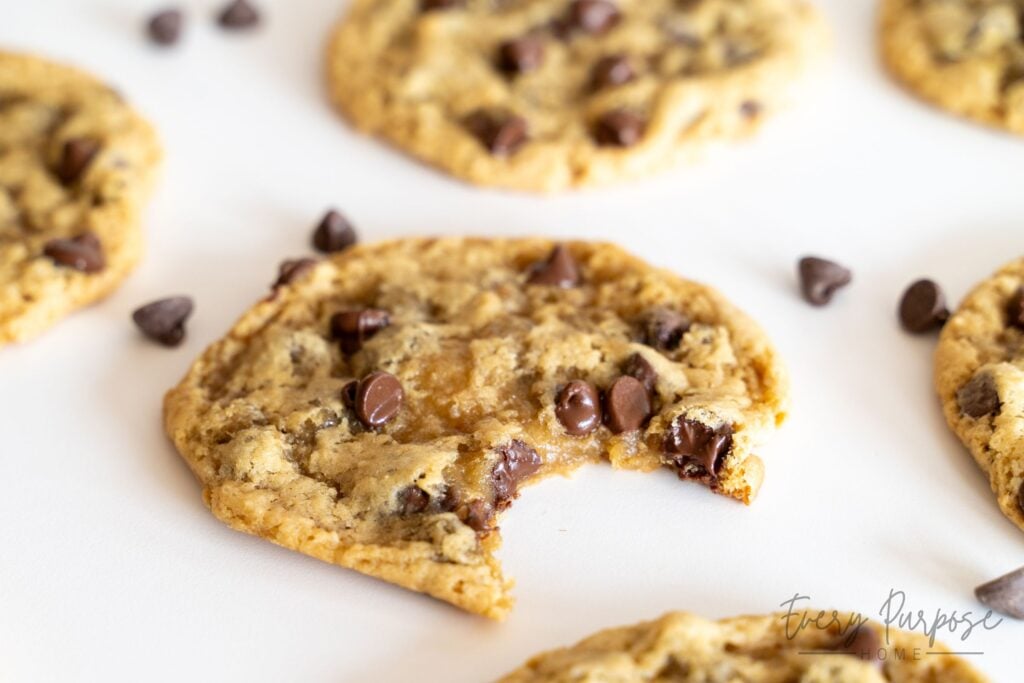
Sourdough Chocolate Chip Cookies (No Chill!)
 Peanut Butter
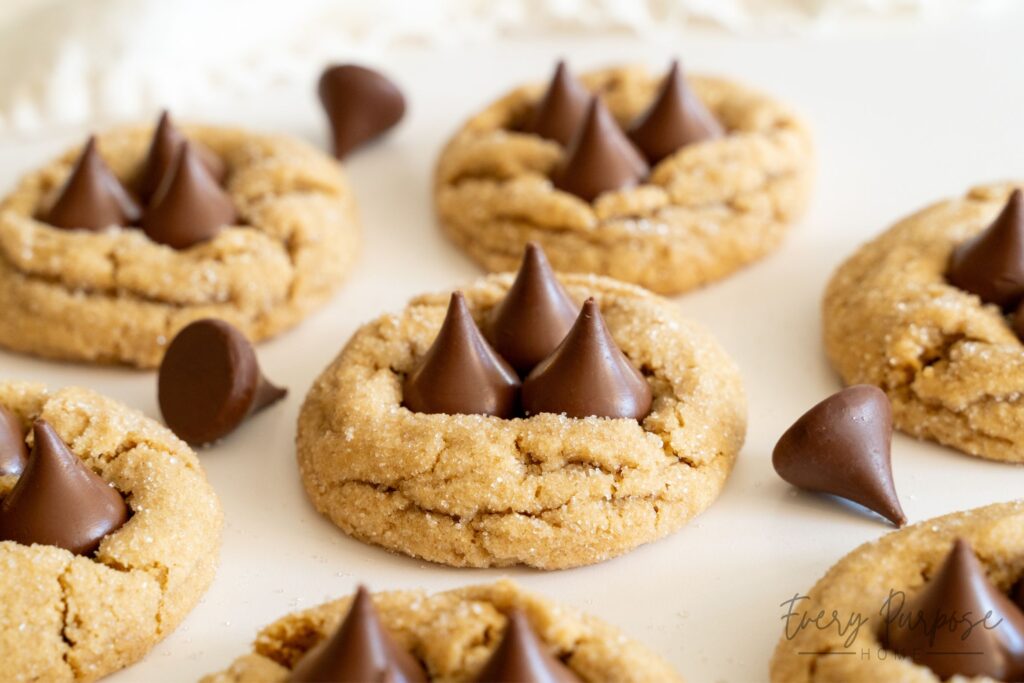
Large Sourdough Peanut Butter Blossoms (3 Kisses Each!)
 Birthday Cake
Sourdough Birthday Cake Cookies (Dye-Free Confetti!)
 Pumpkin
)
Recipe looks wonderful thank you for sharing – and big thank you for taking the time to lay out all the recipe notes so we can try to achieve the same results! So helpful!
Hi Mona, thanks so much!! I’m glad the notes are helpful, and hope you enjoy the cookies! 🙂
~Marlene, The Sourdough Cookie Lady
So delicious! Always looking for way to use my discard. Thank you!
Hey there Laura, I’m so glad you found a good way to use up your discard! It makes the cookies so soft too 🙂 glad you enjoyed!
~Marlene, The Sourdough Cookie Lady
Love that this recipe actually uses natural peanut butter!!
Thank you, Tina! Using natural peanut butter was so important to me! I’m really glad I was able to make it work 🙂
~Marlene, The Sourdough Cookie Lady