

There is something quintessentially summer about the pairing of bright citrus and creamy vanilla. These Sourdough Orange Creamsicle Cookies take that nostalgic childhood flavor and give it a sophisticated, from-scratch twist. By leaning into the natural tang of a sourdough starter to balance sweet white chocolate and a zesty glaze, you get a cookie that is punchy, bright, and exceptionally thick and chewy. Whether you have a jar of active starter on the counter or a bowl of discard in the fridge, this is the ultimate way to bring a little sunshine into your kitchen all season long!
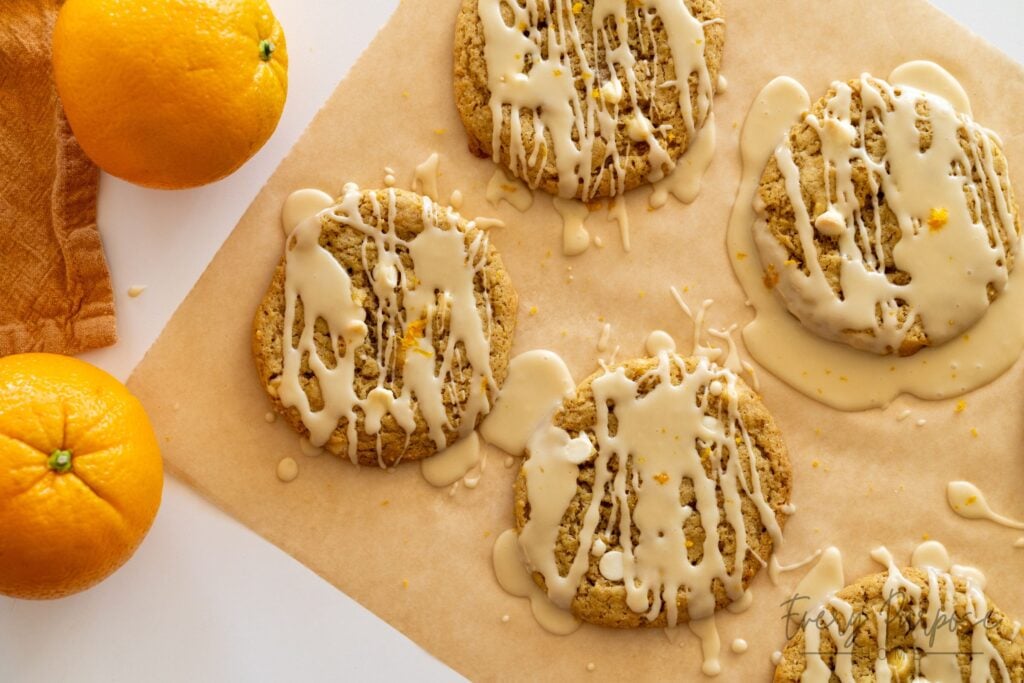
Essentials for the Perfect Sourdough Cookie
- Digital Kitchen Scale: In my kitchen, a digital scale is a non-negotiable! I have had this exact digital scale for years, and it has never failed me! Measuring by weight is the only foolproof way to ensure accuracy, especially for flour and sourdough starter which are often difficult to measure and can make or break the final texture of the cookies.
- Stand Mixer: A quality stand mixer is a game changer for sourdough cookies. It helps combine the thick dough with ease without over-mixing, which is key for a tender crumb!
- Large Cookie Scoop: Most of my sourdough cookie recipes are designed for making jumbo cookies. Using a large cookie scoop ensures that you get the bakery-style size with even baking every time!
Ingredients

Sourdough Orange Creamsicle Cookie Ingredients
- 1¼ cups light brown sugar, packed (275g): Make sure you pack it tight! The right amount of sugar gives the cookies the perfect amount of spread while keeping them chewy.
- 1 tbsp granulated sugar (13g): Including white sugar will help balance the moisture from the brown sugar, ensuring the cookies spread just the right amount.
- ½ cup salted butter, softened (113g): The perfect softness of the butter is “dent soft”, meaning it will indent somewhat easily when the corner is pressed with your finger, but still offers some resistance and is not completely room temperature yet. Depending on the temperature of your home, the perfect softness can take anywhere from 30–60 minutes at room temperature. If you want to use unsalted butter, add ¼ tsp. additional salt to the recipe.
- ½ cup sourdough starter, active or discard, stirred down (150g): The sourdough starter can be active or discard starter! Be sure to stir the starter down before measuring. Or for best accuracy, measure by weight.
- 2 large egg yolks (40g): Having room temperature yolks is ideal, but cold yolks are fine too!
- 1 tsp vanilla extract (5g): Pure vanilla extract is best! Imitation vanilla often contains unnecessary additives.
- 1 tbsp orange extract (15g): Orange extract gives these sourdough orange creamsicle cookies the perfect amount of punchy orange flavor. If you do not have access to orange extract, you can substitute it for 2 tbsp orange juice concentrate (thawed to room temperature), and/or additional fresh orange zest to taste.
- ½ tsp salt (3g): I prefer to use sea salt, as iodized salt may add an unwanted flavor profile.
- 1 tbsp fresh orange zest (8g): This is the zest from about one full medium orange. To avoid a bitter flavor, be sure to zest only the outside orange part, and leave the pith (white part) out!
- 1½ cups all-purpose flour, scooped directly from bag (not spooned and leveled) (235g): It’s very difficult to accurately measure flour by volume. This is because it is all dependent on how you scoop it! For ease of measuring, I designed this volume measurement to simply be scooped directly out of the bag (not spooned and leveled). Pro Tip: For the best accuracy and best overall cookie texture, you should measure flour by weight.
- 1 tsp baking soda (6g): Ensure you are using baking soda, NOT baking powder. They are not interchangeable and will affect the spread and texture of the cookie.
- 1 cup white chocolate chips (170g / 6 oz): Using high quality white chocolate chips (such as the ones linked) will go a long way in making these the creamiest sourdough orange creamsicle cookies out there! I have never had these white chocolate chips burn or seize, which is a common issue with so many other chips out there. Wanting to use regular chocolate instead? Try my Chocolate Orange Sourdough Cookies recipe!

For Orange Vanilla Glaze (Optional):
- 1½ tbsp salted butter, melted (21g): Using butter instead of milk is my secret ingredient for bakery-quality glazes! This is because it increases the fat content, which makes the icing set semi-firm while still remaining soft with each bite. No hard or brittle icing here! If you want to use unsalted butter, add the smallest pinch of additional salt to the recipe.
- 3 tbsp orange juice fresh or bottled (42g): For best results, use fresh-squeezed orange juice from the orange that you are zesting for the cookie dough! Or you can use bottled orange juice if that’s all you have.
- ¾ tsp vanilla extract (4g): Pure vanilla extract is best! Imitation vanilla often contains unnecessary additives.
- 1 tsp orange extract (5g) (optional): Adding orange extract to the orange vanilla glaze will give you an extra punchy orange flavor, though it is optional depending on taste! You can whisk the other ingredients together first and then add this at the end if it doesn’t have a strong enough orange flavor.
- Pinch salt: Just a tiny pinch of salt helps to cut through the sweetness of the glaze. I prefer to use sea salt, as iodized salt can add an unwanted flavor profile.
- 1½ cups powdered sugar (188g): Powdered sugar is necessary for creating the perfect texture in the icing. It cannot be substituted for granulated sugars.
- (Optional) dye-free food coloring: Using about 4 drops each of red and yellow dye-free food coloring will make the glaze orange if desired. Note that food coloring was not used in the blog and Pinterest photos for this recipe.
How to Make Sourdough Orange Creamsicle Cookies
Step 1: Preheat Oven & Prep
Preheat oven to 350°F (175°C). Line baking sheet with parchment paper.

Step 2: Cream the Butter & Sugar
Start by beating the brown sugar, granulated sugar, and softened butter together for about 3 full minutes. This works best with an electric mixer (either handheld or a stand mixer). You are looking for more than just a mix here, you want the texture to transform to be creamy, uniform, and slightly aerated. If you see chunks of butter, scrape the sides of the bowl and keep mixing!

Step 3: Add the Wet Ingredients
Add your sourdough starter, egg yolks, vanilla extract, orange extract, salt, and fresh orange zest. Beat until it becomes smooth and slightly frothy. Tip: Make sure to scrape down the sides of the bowl with a spatula to ensure the starter is fully incorporated!

Step 4: Incorporate the Dry Ingredients
Add your flour, and sprinkle in the baking soda over the top. Turn your mixer to low speed, and stir until just combined. Critical Step: Stop mixing when you still see a few tiny streaks of flour left. If you over-mix at this stage, you will accidentally over-develop the gluten and your cookies will be tough rather than soft and chewy.

Step 5: Fold in the White Chocolate
Gently fold in the white chocolate chips, being careful not to over-mix. This ensures that the white chocolate is evenly distributed without accidentally overworking the dough.
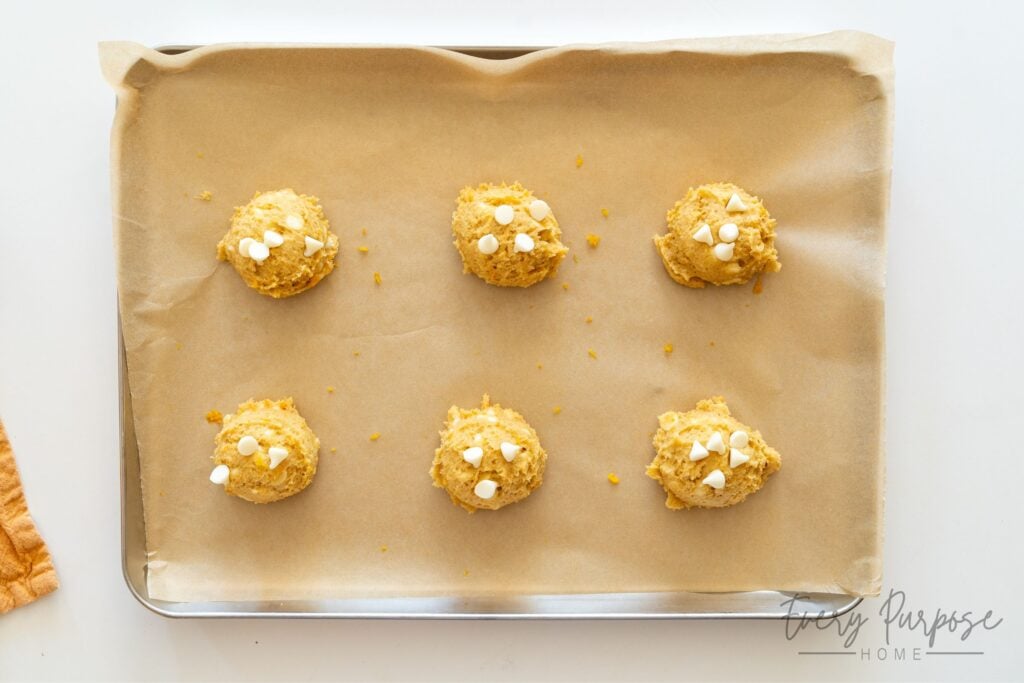
Step 6: Scoop Dough & Top
Use a large cookie scoop (3 tbsp / 70g each) to place 6 generous portions of dough onto your parchment-lined baking sheet. Ensure even spacing between each to allow for spreading. This recipe makes about 14 cookies total. Pro Tip: For that bakery-style look, press a few extra white chocolate chips onto the top of each dough ball before baking. This ensures they show up beautifully on top rather than being hidden inside.

Step 7: Bake
Bake for 12–15 minutes, rotating the pan halfway through baking. The edges should be set and slightly golden, but centers should look soft and slightly under-baked. They will firm up as they cool. Pro Tip: When you remove from the oven, tap the baking sheet against the oven rack a few times to deflate cookies. This will increase their chewiness!

Step 8: Cool On Baking Sheet
Let the cookies sit on the hot baking sheet for right around 7 minutes before transferring them to a cooling rack. This is a crucial step for ensuring that the cookies set up completely. If you try to move them too soon, they will fall apart. Allow to cool completely before glazing!

Step 9: Make Orange Vanilla Glaze (Optional)
In a small bowl, thoroughly whisk all glaze ingredients together until smooth. Use glaze immediately before it begins to set up.
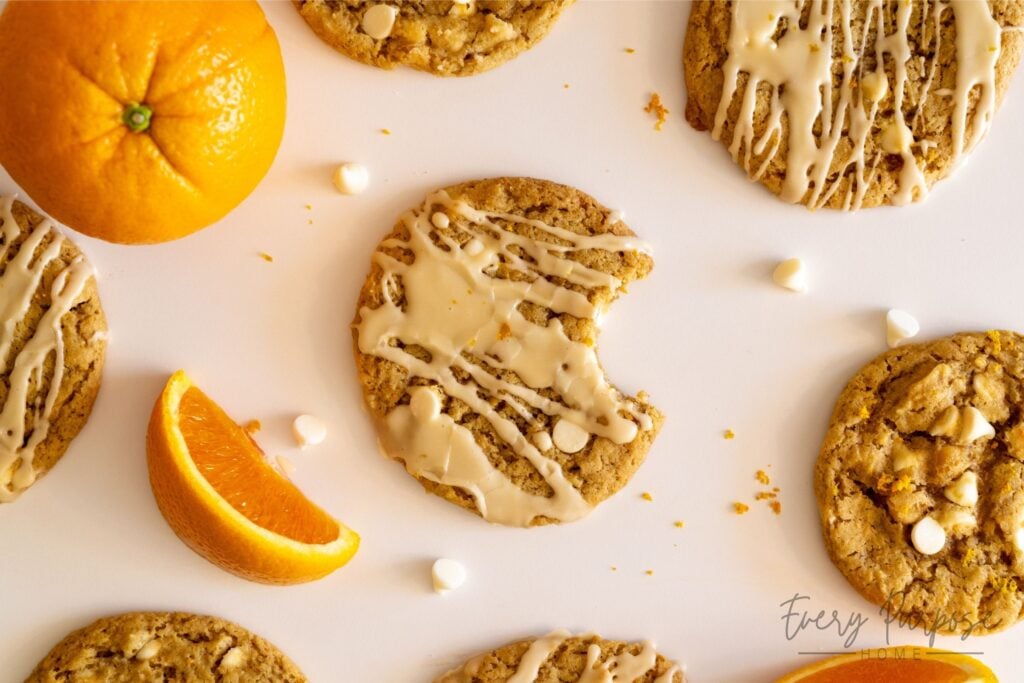
Storage Tips
Once completely cool, you can store unglazed sourdough orange creamsicle cookies in an airtight container or bag for up to 5 days at room temperature. For best texture results, glazed cookies should be served same-day. Otherwise, the glaze can draw moisture from the cookie and cause it to crumble after a day or two.
Pro Tip: To ensure unglazed cookies stay fresh the longest, place a slice of bread in the container. The cookies will absorb moisture from the bread (the bread will become rock hard!), keeping your cookies soft for longer.

Frequently Asked Questions
What if I don’t have orange extract?
For the best creamsicle flavor, orange extract is highly recommended. However, in a pinch, you can substitute the 1 tablespoon of extract for 2 tablespoons of thawed orange juice concentrate or an additional 1–2 tablespoons of fresh orange zest. Note that using juice concentrate may slightly increase the spread of the cookie.
Will these cookies taste sour?
If you skip the long-fermentation, then these cookies will not taste sour at all. The sourdough starter provides a beautiful depth of flavor that balances the sweetness of the white chocolate, but it does not make the cookies taste like a loaf of sourdough bread. The longer you ferment the dough in the fridge however, the more developed the sourdough flavor will be.
Why did my cookies spread too much?
The two most common culprits for over-spreading are warm butter temperature and incorrect flour measurement. Ensure your butter is “dent soft” (not oily or room temperature) before making the dough, and be sure you are using the full 235g of flour (scooped directly from the bag for packed flour, not sifted or spooned and leveled when measuring by volume/cups).
Do I have to chill the dough?
No, as long as you bake it right away! While this recipe is designed to be no-chill for immediate baking, dough that has sat out after mixing may have caused the butter to become too warm, and therefore it will need to be chilled for 30 minutes or more (or up to 3 days for long fermentation) to firm up again before baking. This helps to create a thick, bakery-quality cookie that won’t spread too thin in the oven.
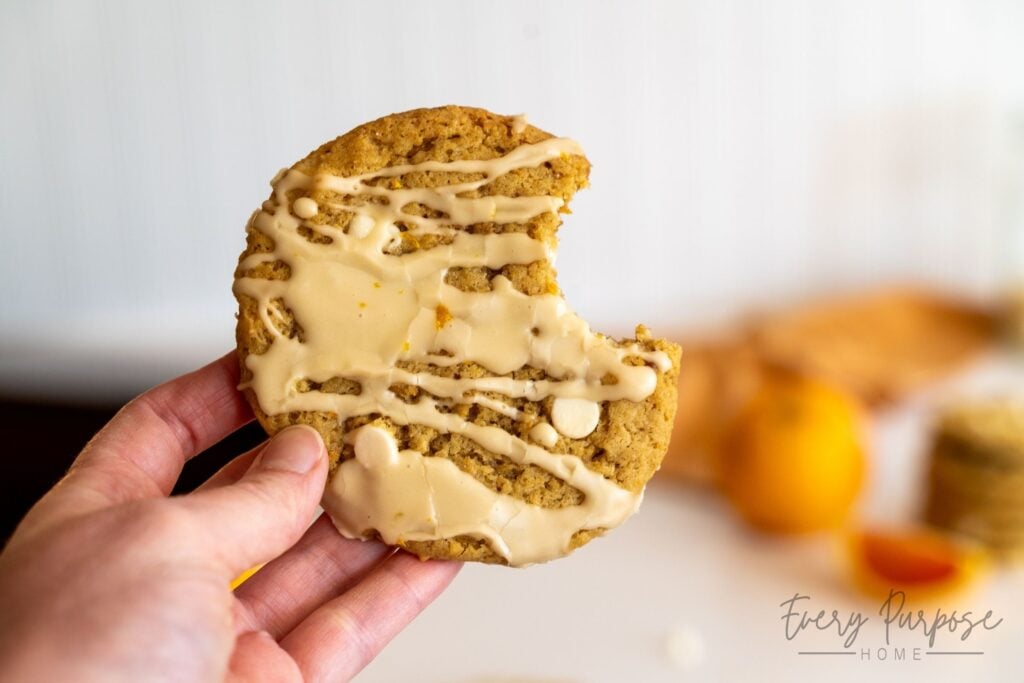
Can I freeze sourdough cookie dough?
Absolutely! For best results, follow this flash-freezing method:
- Scoop: Portion the sourdough orange creamsicle cookie dough into balls (3 tbsp / 70g each) and place them on a parchment-lined baking sheet. They can be close together, but make sure they are not touching.
- Flash Freeze: Place the sheet in the freezer for about 1 hour, or until the dough balls are firm to the touch. Pro Tip: Optionally top with a few extra white chocolate chips so that they stay beautiful and visible on top instead of sinking in after baking.
- Store: Transfer the frozen dough balls into a gallon freezer bag. They can be stored in the freezer for up to 3 months!
Pro Tip: Double the recipe to intentionally freeze an extra batch! This provides you with ready-to-bake sourdough orange creamsicle cookies for when that sweet tooth hits.
Tips For Baking Frozen Dough:
Thaw Partially: For best texture results, allow dough to sit at room temperature for 30–60 minutes before baking. This helps achieve a texture and baking time nearly identical to a fresh batch of dough.
Potentially Increase Bake Time: You may need to add 1–2 minutes to the baking time if the dough is still colder than fresh dough would be.
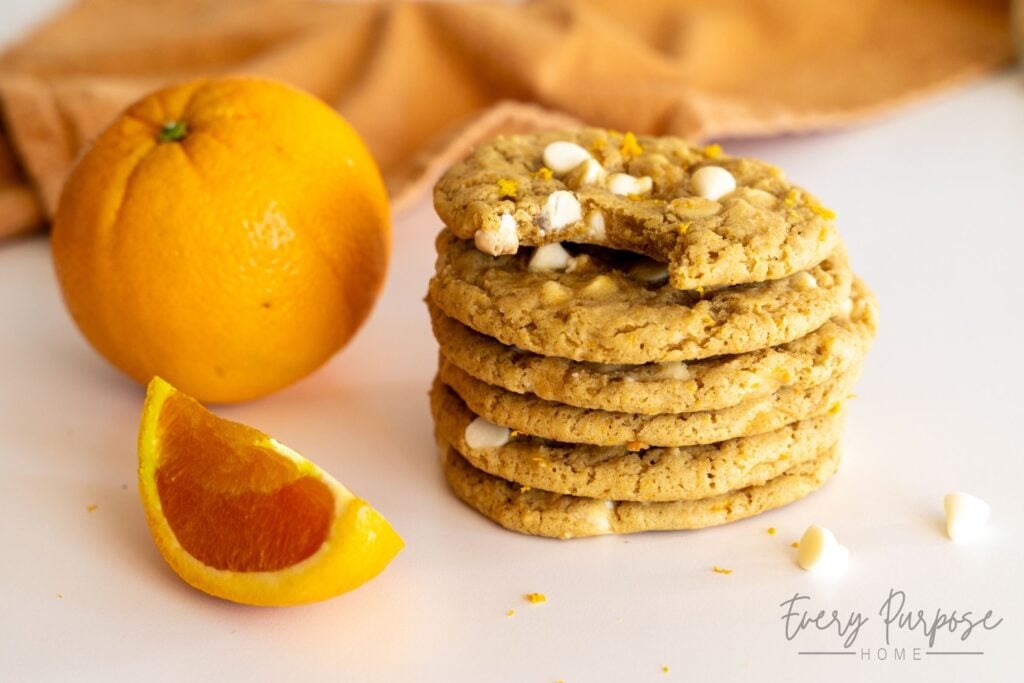
How to Make Long-Fermented Orange Creamsicle Sourdough Cookies
To long-ferment the dough for more flavor, gut health, and nutritional benefits, follow these simple directions:
- Prepare: Follow the recipe directions to make the dough.
- Cold Ferment: Cover the bowl with plastic wrap, or transfer to an airtight container. Refrigerate for 1–3 days. Note: After the first day, longer fermentation increases the health benefits, but it also intensifies the tangy flavor.
- Bring to Room Temp: The dough temperature will significantly affect the final texture of your cookies. For the perfect chewy cookie, remove the dough from the fridge about 1 hour before baking.
- Scoop & Bake: Once dough has come to almost room temperature, scoop (3 tbsp / 70g each) and bake as listed in the directions! Troubleshooting: If your cookies turn out more cake-like instead of chewy, it was likely due to a dough temperature that was still too cold.

Love this recipe? Pin it to your sourdough board and follow The Sourdough Cookie Lady on Pinterest for more!
Sourdough Orange Creamsicle Cookie Recipe:
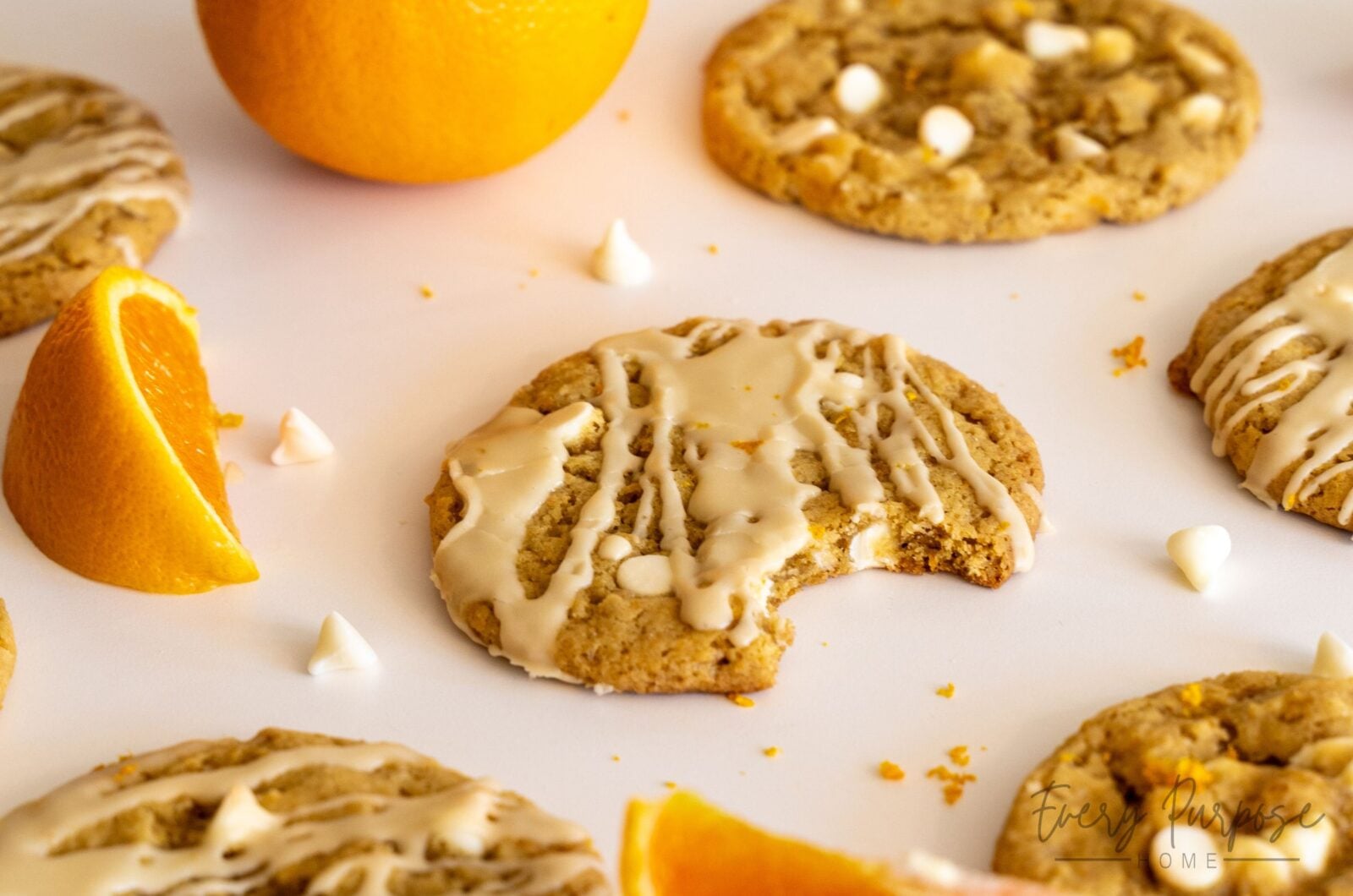
Sourdough Orange Creamsicle Cookies
Nostalgic creamsicle flavor meets a thick and chewy sourdough cookie! These Sourdough Orange Creamsicle Cookies are punchy and bright, featuring fresh orange zest and perfectly sweet white chocolate chips. Finished with a creamy orange vanilla glaze, they’re the ultimate from-scratch treat for active or discard starter all summer long! Try serving chilled to beat the summer heat.
14
10
minutesmin15
minutesmin295
kcalKeeps your screen on while viewing recipe
Recommended Equipment
- For Best Accuracy:Digital Kitchen Scale
- For Easy Mixing:Stand Mixer
- For Uniform Cookies:Large Cookie Scoop
Ingredients
- For the Cookies
1¼ cups light brown sugar packed (275g)
1 tbsp granulated sugar (13g)
½ cup salted butter softened (113g)
½ cup sourdough starter active or discard, stirred down (150g)
2 large egg yolks (40g)
1 tsp vanilla extract (5g)
1 tbsp orange extract, or see substitution notes below (15g)
½ tsp salt (3g)
1 tbsp fresh orange zest (all zest from one medium orange) (8g)
1½ cups all-purpose flour scooped directly from bag (not spooned and leveled) (235g)
1 tsp baking soda (6g)
1 cup white chocolate chips, see notes for recommendations (170g / 6 oz)
- For the Orange Vanilla Glaze (Optional)
1½ tbsp salted butter melted (21g)
3 tbsp orange juice fresh or bottled (42g)
¾ tsp vanilla extract (4g)
1 tsp orange extract (5g) (optional, for stronger orange flavor)
Pinch salt
1½ cups powdered sugar (188g)
(Optional) 4 drops each of red and yellow dye-free food coloring to make the glaze look orange if desired (not pictured)
Directions
- For the Cookies
- Preheat & Prep: Preheat oven to 350°F (175°C). Line baking sheet with parchment paper.
- Cream Butter & Sugar: In a large bowl or stand mixer with paddle attachment, beat brown sugar, granulated sugar, and softened butter. Beat for about 3 full minutes on medium-high speed, until pale, fluffy, and aerated.
- Add Wet: Beat in sourdough starter, egg yolks, vanilla extract, orange extract, salt, and orange zest until smooth and slightly frothy. Scrape the sides of the bowl to ensure everything is incorporated.
- Incorporate Dry: Add all-purpose flour and sprinkle baking soda on top. Mix on low speed just until almost no dry flour streaks remain. Do not over-mix.
- Fold in White Chocolate: Gently fold in white chocolate chips until evenly distributed.
- Scoop & Top: Scoop the dough into large portions using a large cookie scoop (3 tbsp / 70g each). Place 6 scoops onto the prepared baking sheet, ensuring even spacing. Recipe makes 14 total cookies. Pro Tip: For bakery-style cookies, press a few extra white chocolate chips onto the top of each scoop before baking.
- Bake: Bake for 12–15 minutes, rotating the pan halfway through baking. The edges should be set and slightly golden, but centers should look soft and slightly under-baked. Cookies will firm up as they cool. Pro Tip: When you remove from the oven, tap the baking sheet against the oven rack a few times to deflate cookies. This will increase their chewiness.
- Cool: Allow to cool on the baking sheet for 7 minutes to finish setting up before transferring to a wire rack.
- For the Orange Vanilla Glaze (Optional)
- Whisk All Ingredients: In a small bowl, thoroughly whisk all glaze ingredients together until smooth, including dye-free food coloring if desired.
- Use Immediately: Drizzle glaze immediately over completely cooled cookies.
- Serving Suggestion
- Serve Chilled: Transfer glazed cookies to an airtight container in a single layer. Place in the refrigerator until cold. Serve chilled on warm days for an extra special and refreshing treat!
Recipe Notes
- • To Store: Cookies will keep at room temp in an airtight container for up to 5 days. Pro Tip: Add a slice of bread to the container of unglazed cookies to keep them soft for longer. Glazed cookies should be served same-day for best texture.
• To Freeze: Freeze dough scoops in an airtight freezer bag for up to 3 months. Thaw at room temp for 30–60 mins before baking.
• Orange Extract Substitutions: For best results, use orange extract. In a pinch, it may be substituted for 2 tbsp orange juice concentrate (thawed to room temp), and/or additional fresh orange zest to taste.
• White Chocolate Chips: A common challenge when baking with white chocolate is burning or seizing it. For best results, use quality white chocolate chips such as the ones linked.
• Butter: Temperature is key. Use “dent soft” butter (indents easily when pressed but still offers resistance, not room temp). Allow cold butter to sit out for 30–60 mins. If using unsalted butter, add an extra ¼ tsp salt to the dough.
• Flour: For best accuracy, weigh the flour. If measuring by volume, the measurements are designed for packed flour when you scoop directly from the bag, avoiding the tedious spoon-and-level method.
• Sourdough Starter: Active or discard works. For best results, allow cold discard to sit at room temp while your butter softens.
• Long Fermentation: For gut health, cover and refrigerate dough for 1–3 days. Note: Allow dough to come to room temperature (about 1 hour) before scooping and baking for the best chewy texture.
Approximate Nutrition Information
- Servings: 14
- Calories: 295kcal
- Fat: 11g
- Saturated Fat: 7g
- Cholesterol: 45mg
- Sodium: 110mg
- Carbohydrates: 46g
- Fiber: 1g
- Sugar: 28g
- Protein: 4g
from my baking sheet to yours,



This looks so good! What a great combination of flavors!